Spring is the moment every dog owner dreads and secretly loves in equal measure. As the snow melts and the grass greens up, weeks of hidden dog waste suddenly reappear across the lawn, and the annual pet waste removal reckoning begins. Getting ahead of it early in 2026 protects your grass, your family’s health, and your weekend.
Why Spring Yard Cleanup Matters More Than You Think
Winter hides a lot. Snow, frost, and dormant grass conceal months of accumulated waste, and when everything thaws at once you are left with a saturated, smelly mess. That backlog is not just unpleasant; it actively harms your turf.
Dog waste is high in nitrogen. In small doses nitrogen feeds grass, but concentrated in one spot it burns roots and leaves brown, patchy dead zones. A thorough early-season scoop resets your lawn before the growing season begins.
The First Warm Weekend Is Your Window
Tackle the yard on the first dry, above-freezing weekend. The waste is still relatively firm, easier to lift, and has not yet been broken down by rain into the soil. Waiting until late spring means dealing with a soupier, harder-to-remove problem.
Building Your Spring Cleanup Toolkit
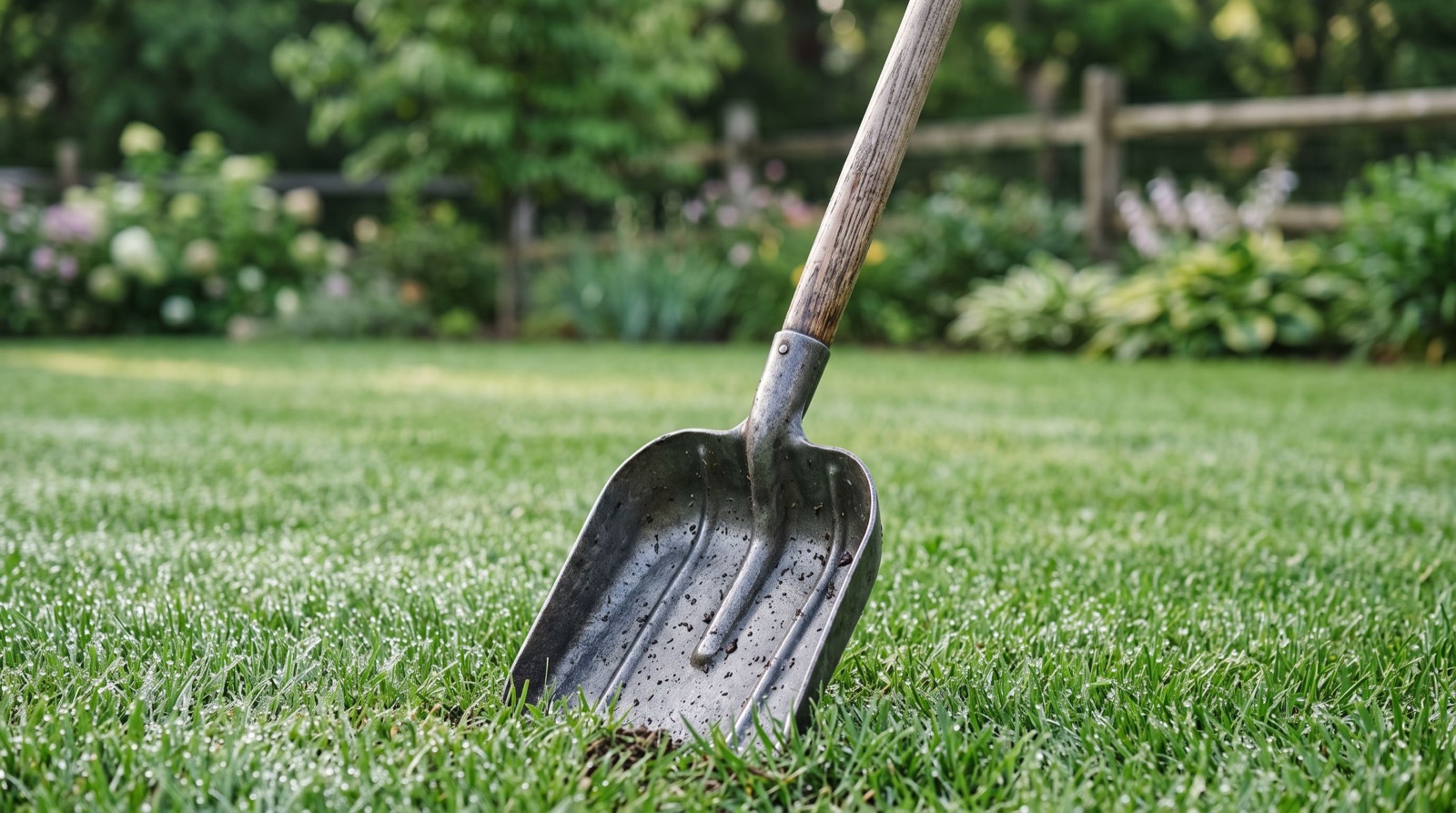
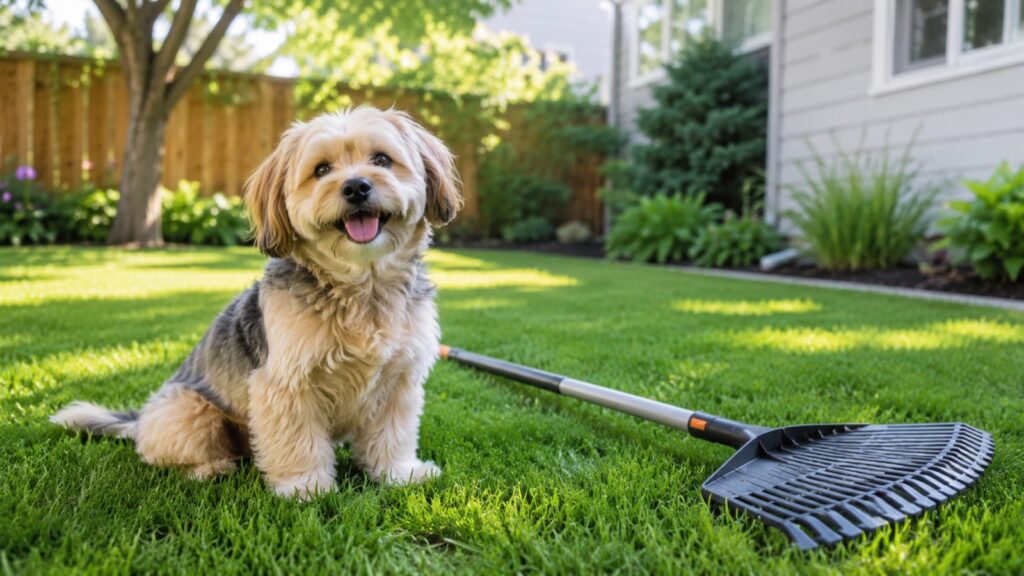
You do not need a garage full of gear, but the right tools make the job faster and far less disgusting. A long-handled scooper saves your back, and sturdy disposal bags keep the mess contained from lawn to trash can.
For the actual pickup, a reliable Pooper Scooper with Bag lets you scoop and seal in a single motion, which matters a lot when you are working through a full winter’s worth of waste. Pair it with genuinely heavy duty bags so nothing tears halfway to the bin.
- Long-handled scooper or rake-and-pan combo
- Tear-resistant disposal bags
- Waterproof gloves
- A sealable outdoor bin liner
- Enzyme-based deodorizer for lingering spots
A Step-by-Step Spring Scooping Routine
- Walk the perimeter first and flag high-traffic potty zones.
- Work in a grid so you never miss a section.
- Scoop, bag, and knot immediately to control odor.
- Treat burned grass patches with water to dilute residual nitrogen.
- Apply an enzyme deodorizer to lingering hot spots.
- Rinse tools and store them dry.
Spring Cleanup: DIY vs. Hiring a Service
Some owners happily handle the annual reset themselves; others would rather reclaim the weekend. Here is an honest comparison to help you decide.
| Factor | DIY Spring Cleanup | Professional Service |
|---|---|---|
| Time cost | 2–4 hours for a full backlog | Zero; they do it |
| Upfront cost | Tools only (~$30–60) | $50–120 one-time visit |
| Thoroughness | Depends on your patience | Trained, systematic |
| Grossness factor | High after a wet winter | None for you |
If you decide to outsource, look for dependable specialists with clear pricing and verified reviews.
Dealing With Odor and Melted-Snow Mud
The first thaw brings a distinctive smell as months of frozen waste warm up all at once. Do not just mask it; neutralize it. An enzyme deodorizer breaks down the odor-causing compounds at the source rather than covering them with fragrance.
Mud is the other spring headache. Foot traffic and dog paws churn thawing ground into a mess, and waste hidden in that mud is easy to miss. Work when the ground is firm in the early morning if you can, and rinse tools thoroughly afterward so you are not tracking bacteria back inside.
One field-tested tip from years of spring cleanups: do a second sweep three or four days after your first big session. Melting snow reveals waste in waves, and a follow-up pass catches everything the first round could not reach.
Protecting Your Lawn’s Health After the Big Scoop
Once the backlog is gone, a little maintenance keeps things easy. Overseed burned patches, water deeply, and keep to a regular weekly scooping schedule so waste never piles up again.
Consistent removal also protects local water. The U.S. Environmental Protection Agency notes that pet waste is a real source of bacterial pollution in stormwater runoff, which is one more reason to keep your yard clean all season. You can read more in the EPA’s guidance on nutrient pollution sources.
Spring is also the ideal time to reset your whole system. Refill your bag supply, replace worn-out gloves, and check that your scooper’s edge is still sharp. Starting the growing season fully stocked means you never skip a scoop for lack of a bag, which is how backlogs quietly begin all over again.
Turning Cleanup Into a Weekly Habit
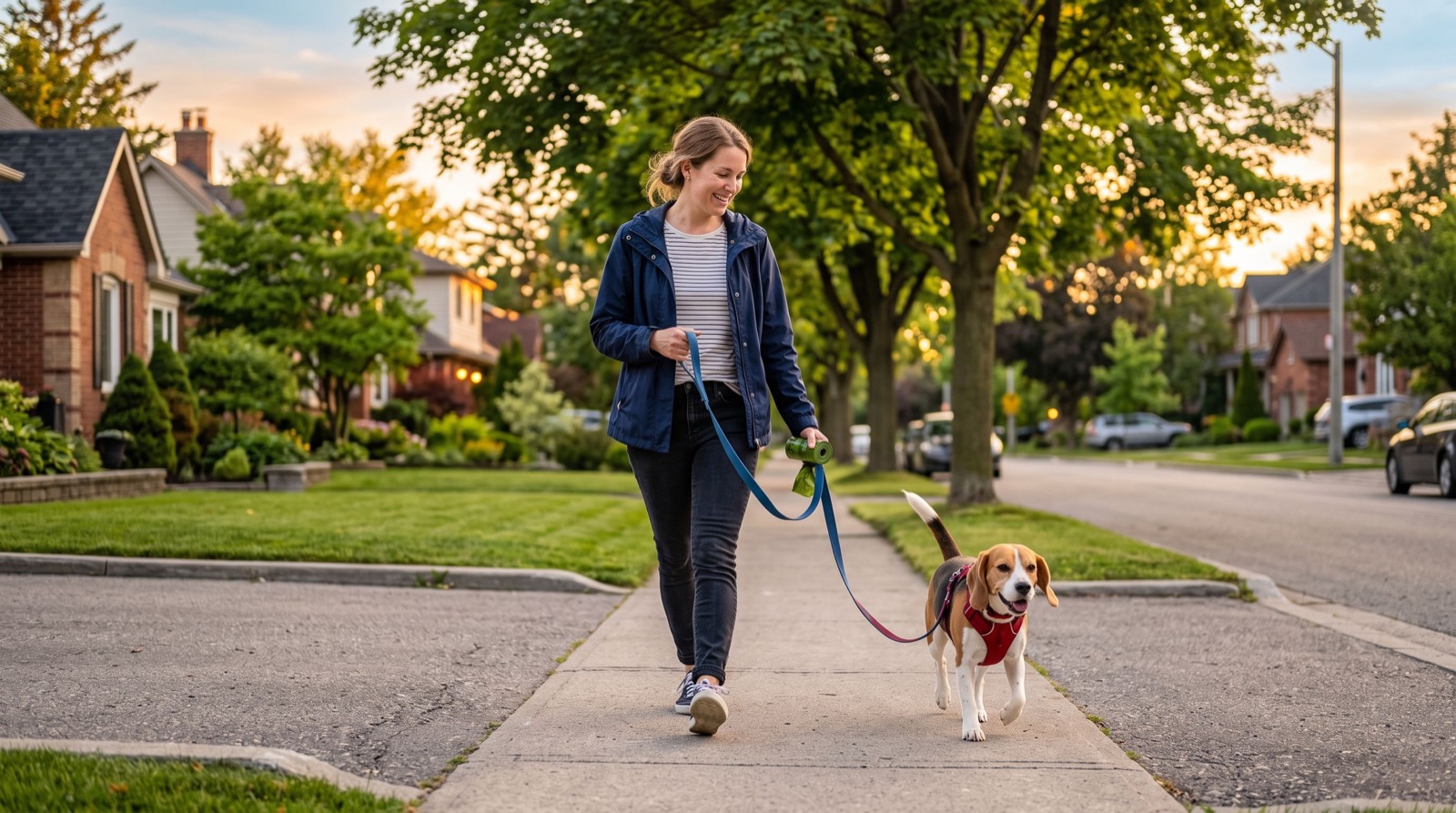
The owners who never dread spring are the ones who never let waste accumulate. After your big reset, anchor scooping to an existing routine, such as trash night or Saturday morning coffee, so it becomes automatic.
Keep the barrier to entry low. A scooper hung by the back door and a full bag dispenser mean cleanup takes two minutes, not twenty. When the task is frictionless, consistency follows naturally, and your yard stays enjoyable from the first thaw through the last leaf of autumn.
Preparing Your Yard for the Growing Season
The spring scoop is the perfect launchpad for a healthy lawn. Once the waste is gone and burned patches are watered, a light dethatching and aeration help the grass breathe and recover from being packed under snow for months.
Time your reseeding for right after the cleanup, while the soil is warming but before summer heat sets in. Fresh seed in a clean, waste-free bed germinates far better than seed fighting for space against nitrogen-scorched, contaminated turf.
Think of it as a sequence: scoop first, then treat, then feed the lawn. Owners who follow that order every spring consistently enjoy greener, denser grass than those who fertilize over a yard still hiding a winter’s worth of waste.
Frequently Asked Questions
How often should I scoop after the spring cleanup?
Aim for at least once a week for a single dog, and two to three times weekly for multi-dog households. Frequent removal prevents the nitrogen buildup that scorches grass.
Is winter dog waste more harmful than fresh waste?
It is not necessarily more toxic, but it has had months to leach into the soil and concentrate nitrogen in one area. That is why spring lawns often show the worst burn patterns.
Can I compost the waste I collect in spring?
Not in a standard garden compost pile. Dog waste can carry pathogens that home composting does not reach safe temperatures to kill. Bag it and dispose of it in the trash instead.
What causes those brown spots even after I clean up?
Residual nitrogen already absorbed into the soil. Water the area heavily to dilute it and reseed once the burn subsides.
Start Your Season Off Right
A single focused spring session transforms a neglected, smelly yard into a clean space your whole family can enjoy. Grab the right tools, set a weekly routine, and your pet waste removal stays manageable all through 2026. Ready to reclaim your lawn? Gear up today and make this the year the spring backlog never wins.